
Ecommerce SEO Agency / London & Essex

Ecommerce SEO Agency

Connect your products with customers who are ready to explore and buy.

London & EssexScope agreed around your businessEvidence before assumptions
Our approach

Ecommerce category and product SEO

An ecommerce site can generate many URLs without giving shoppers more useful choices. We review which categories meet distinct demand, which filters simply help customers browse, and how product variants should be presented.

Search requirements need to fit merchandising, stock and the platform. A category with genuine demand may need stable navigation, useful product selection and an explanation of what to compare. A temporary filter combination may not need a separate search landing page.

Help customers find and compare products

Technical access is only part of the work. Customers need enough information to select the right item, understand delivery and make a purchase. Product descriptions, specifications, availability and internal recommendations should reflect the actual catalogue rather than repeat a category introduction everywhere.

Measure organic sales and revenue

We consider category discovery, product engagement and completed purchases, alongside stock and seasonal changes. Revenue attribution has limits, so the measurement plan identifies what the available data can show and where commercial interpretation is still needed.

Discuss your target markets

Bird works from London and Essex with businesses serving nearby customers, the wider UK and international markets. We agree which of those audiences matters to this brief before recommending pages or campaigns. Contact the team to confirm meeting arrangements and bring the website, business priorities and any relevant constraints to the discussion.
Service details

Illustrative catalogue decisions

Page typeCustomer purposeSearch decision
Stable category: outdoor play equipmentCompare a meaningful product groupAssess demand and a useful, maintained landing page
Filter: colour and price combinedNarrow the current selectionAvoid making every combination an indexable destination
Product variantChoose the correct specificationAgree variant URLs and canonical behaviour with the platform
Unavailable productFind an alternative or understand restockingChoose useful stock messaging before deciding removal or redirect

A worked example, not a universal rule for every store.

Relevant work / In context

Relevant case studies

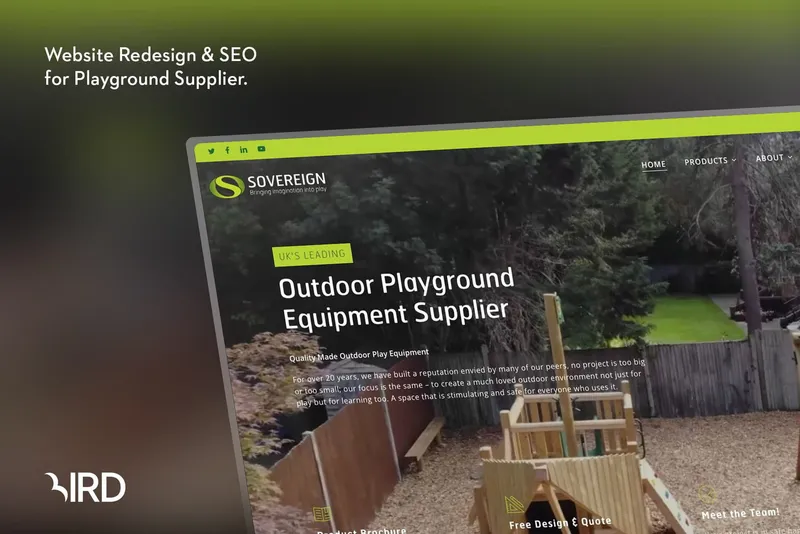
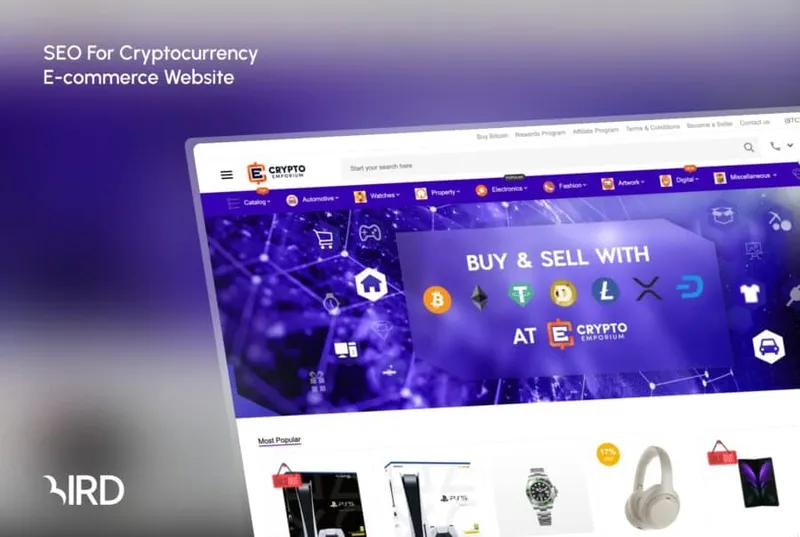
Published project examples describe their own scope and period. They are not forecasts for a different business.

Frequently asked questions

Do you optimise categories as well as products?

Yes. Categories, product pages and supporting guides serve different search and buying needs. We review how customers find and compare products, then agree the appropriate role and content for each page type.

How do you handle filters and product variants?

We investigate which combinations help shoppers and which create interchangeable URLs. The recommendation considers crawl access, canonical signals, internal linking and the platform’s controls. Useful landing pages should remain discoverable without exposing every possible filter combination.

What happens to SEO when products go out of stock?

The right response depends on whether the product will return, whether an equivalent exists and whether the page still helps customers. We review availability messaging, alternatives and URL handling together. A permanent removal and a temporary stock issue should not automatically use the same response.

Can you work on Shopify or WooCommerce stores?

We can discuss the platform you use and the access and development support available. The scope identifies its actual constraints and implementation options. We do not assume every technical change can be made through an SEO app or plugin.

How do you measure ecommerce SEO?

We consider organic revenue, useful product discovery, conversion behaviour and relevant search visibility. Stock, promotions, margins and attribution can affect the interpretation. Reporting should connect changes with business performance without claiming every sale came from one optimisation.

What information is needed for an ecommerce SEO proposal?

Share the store, platform, key product ranges and target markets. Catalogue size, stock patterns, existing reporting and development capacity help define the work. We can then scope the technical review, category planning and content priorities.

Define the next step

Discuss your project.

Share your website, the problem you want to solve and any constraints. We’ll discuss the fit, the evidence needed and a scope before work begins.