
SEO Migration Services / London & Essex

SEO Migration Services

Give your existing search visibility a place in the launch plan.

London & EssexScope agreed around your businessEvidence before assumptions
Service details

Four release gates

  1. 01

    Before the build

    Inventory URLs and useful content; identify traffic, links and conversion dependencies.

  2. 02

    Before launch approval

    Test redirect mappings, important templates, tracking and indexing rules on staging.

  3. 03

    At the switch

    Check the live host, redirects, canonical URLs, robots directives and key enquiries or purchases.

  4. 04

    After release

    Review crawl errors and search data, fix exceptions and confirm the old-to-new map remains valid.

Our approach

Plan your SEO migration before launch

A platform, domain or URL change needs more than a redirect spreadsheet prepared the night before launch. We identify valuable pages, understand what is changing and agree which decisions need approval before development is complete.

Old URLs may map to an equivalent page, a better consolidated destination or an intentional removal. Sending every removed page to the homepage does not preserve its purpose. Content, internal links, assets and measurement also need a place in the migration plan.

Check redirects, indexing and tracking

We agree who checks redirects, canonicals, robots directives, sitemaps and important journeys. Staging exclusions must be removed deliberately from the public site while private environments remain protected. Access to the previous platform and a rollback owner should be considered before the switch.

Monitor search performance after migration

Post-launch checks compare the deployed site with the agreed inventory. Search visibility may fluctuate, so we distinguish an expected transition from defects that require action. No migration can guarantee unchanged rankings or traffic.

Discuss your target markets

Bird works from London and Essex with businesses serving nearby customers, the wider UK and international markets. We agree which of those audiences matters to this brief before recommending pages or campaigns. Contact the team to confirm meeting arrangements and bring the website, business priorities and any relevant constraints to the discussion.
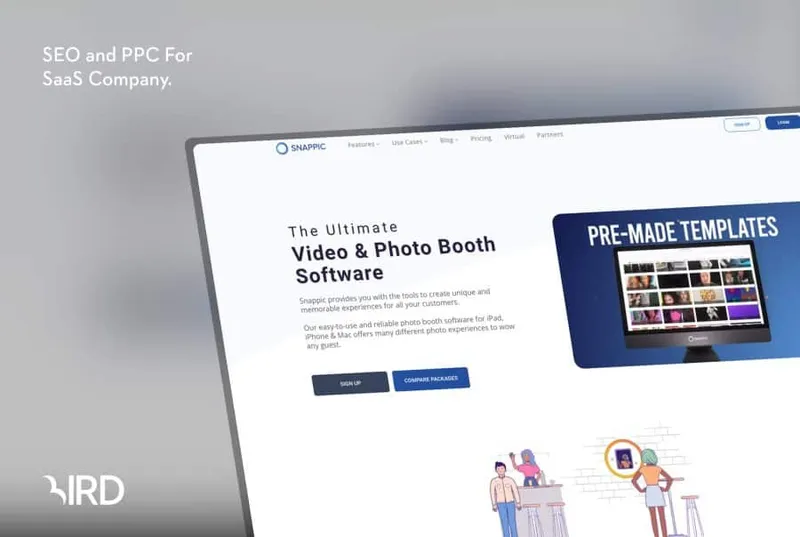
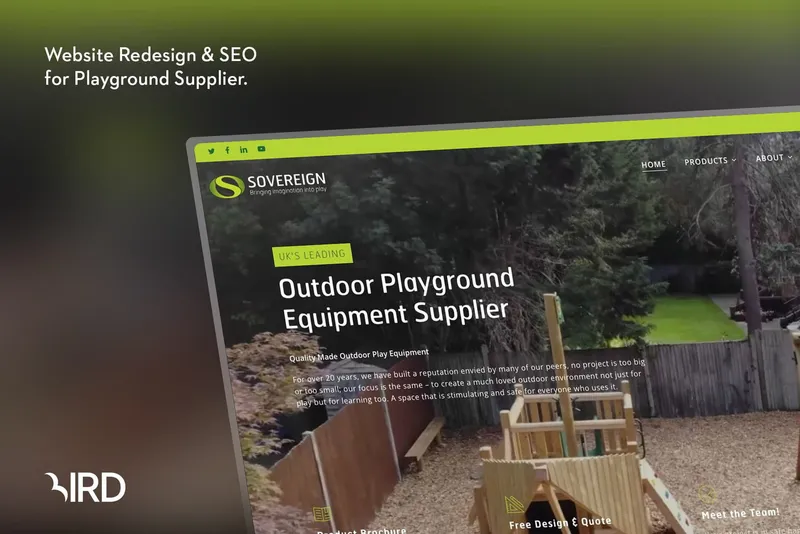
Relevant work / In context

Relevant case studies

Published project examples describe their own scope and period. They are not forecasts for a different business.

Frequently asked questions

When should SEO become involved in a website migration?

Before URL structure and content removal decisions are final. Early involvement allows time to inventory useful pages, agree replacements and include search requirements in the release plan. A redirect list prepared after launch cannot resolve every missing-content decision.

How do you map old URLs to new ones?

We use the old inventory and compare each page’s purpose with the new structure. Direct equivalents can redirect to their final destination. Pages without a relevant replacement are recorded for a content or retirement decision rather than sent to the homepage.

Will every old URL need a redirect?

No. A URL that retains its purpose and path can continue returning its content. Changed URLs need an appropriate plan. Some retired pages may need a normal not-found or gone response, depending on the decision and available replacement.

Can you support a domain change or platform change?

Yes. The scope can cover domains, platforms, URL changes or several changes together. We agree ownership for DNS, deployment, content, redirects and monitoring so each part of the move has a responsible team.

What should be checked before launch?

Checks include important pages, redirect targets, indexing instructions, canonicals, internal links, sitemaps and essential enquiry or purchase journeys. The acceptance list should describe the real release and include a rollback plan.

Can a migration be completed without any search fluctuation?

No provider can guarantee that. We reduce avoidable issues through preparation and monitor the actual response after launch. Search engines need to discover and process changes, and other changes or competitive factors can affect performance at the same time.

Define the next step

Discuss your migration.

Share your website, the problem you want to solve and any constraints. We’ll discuss the fit, the evidence needed and a scope before work begins.