
Website Redesign Services / London & Essex

Website Redesign Services

Improve the experience while protecting what already works.

London & EssexScope agreed around your businessEvidence before assumptions
Service details

An illustrative content inventory

DecisionWhen it may fitRequired follow-through
RetainA useful page answers a distinct need and has accurate evidencePreserve its role and verify the new presentation
ImproveThe purpose is useful but details or actions are unclearAssign content ownership and an acceptance check
MergeSeveral pages answer substantially the same questionApprove retained content, redirect and update links
RemoveThe offer is obsolete and has no useful replacementReview traffic, links and user impact before removal
Our approach

Review your existing website before redesign

A redesign should begin with an inventory of the current site, the journeys people use and the evidence worth retaining. Starting from a blank design file can miss valuable content, useful URLs or an enquiry route the business relies on.

We review pages by purpose rather than assume every URL needs a new design. Some need better evidence or clearer copy. Others overlap and may need consolidation. Each change should explain what the visitor gains and what happens to the old URL.

Plan content, redirects and launch

Content approval, redirects, tracking, integrations and forms all affect the delivery plan. We identify dependencies early so they do not become last-minute exceptions after the visual design is signed off.

Measure results after your website redesign

We agree representative journeys and technical checks before release. After launch, results need to be interpreted alongside seasonality, campaign changes and measurement differences. A redesign is an opportunity to improve the system, not a guarantee of more traffic.

Discuss your target markets

Bird works from London and Essex with businesses serving nearby customers, the wider UK and international markets. We agree which of those audiences matters to this brief before recommending pages or campaigns. Contact the team to confirm meeting arrangements and bring the website, business priorities and any relevant constraints to the discussion.
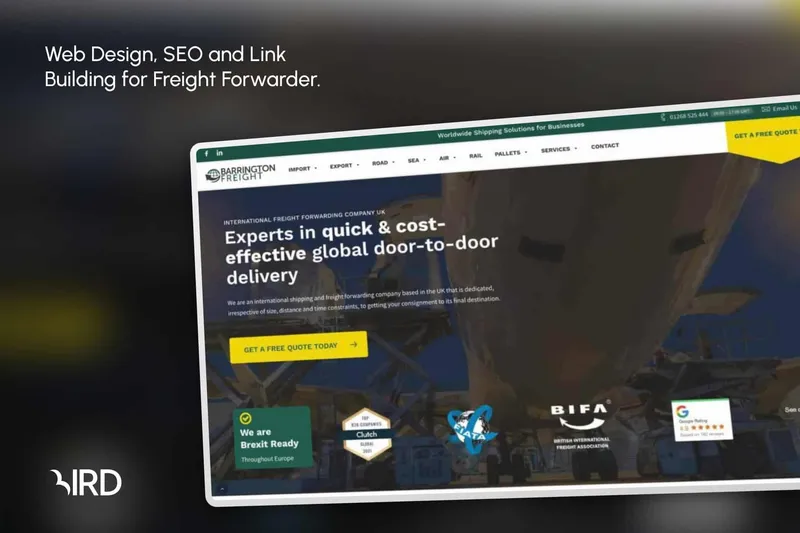
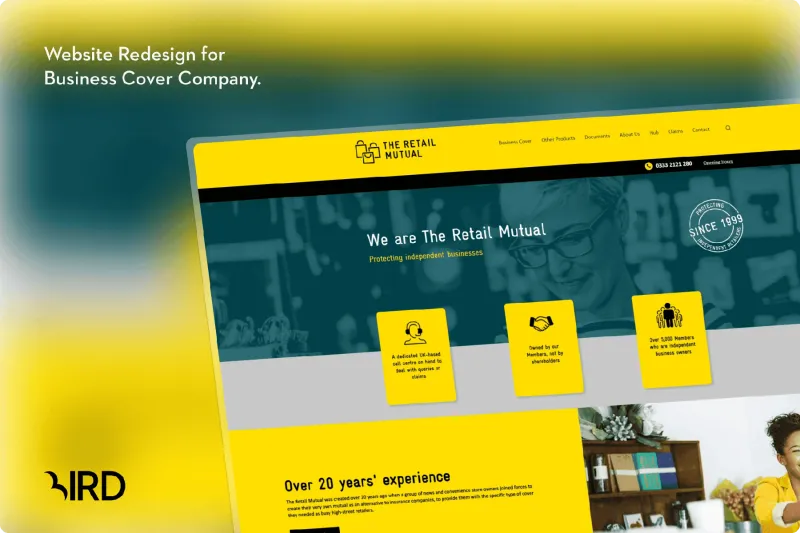
Relevant work / In context

Relevant case studies

Published project examples describe their own scope and period. They are not forecasts for a different business.

Frequently asked questions

How do you decide what to keep from our current website?

We review useful content, existing journeys, search evidence and the reasons for the redesign. Some elements may work well already. The plan should explain what is retained, revised or retired and who approves those decisions.

Will a redesign change our URLs?

It may, but a visual refresh does not require every URL to change. We compare the current structure with the proposed one and map genuine replacements. Existing URLs that still make sense can be retained.

Can you redesign without replacing the platform?

Yes, when the current platform can support the requirements. We assess its limitations and maintenance needs before recommending a move. A platform change should have a practical reason and its own migration plan.

How do you protect existing search traffic?

We review important pages before changes are made, plan relevant redirects and test indexing signals and internal links. Monitoring continues after launch. These steps reduce avoidable problems but cannot guarantee unchanged search performance.

What content do we need to provide?

We agree a page inventory and identify existing material that can be reused. Your team supplies or approves factual claims, service details and client evidence. Copy production and media work are included only where the proposal specifies them.

How do we judge whether the redesign worked?

We set a baseline and agree the outcomes before launch. These may include enquiry quality, task completion, accessibility or performance. The review should account for seasonality, campaign changes and the period needed to collect useful evidence.

Define the next step

Discuss your project.

Share your website, the problem you want to solve and any constraints. We’ll discuss the fit, the evidence needed and a scope before work begins.