
WordPress Web Design Agency / London & Essex

WordPress Web Design Agency

A distinctive website your customers and your team can work with.

London & EssexScope agreed around your businessEvidence before assumptions
Service details

An illustrative editor task

  1. 01

    Create the project

    Enter a distinct project story, approved images and accurate supporting information.

  2. 02

    Connect the content

    Relate relevant services and people rather than manually duplicate their details.

  3. 03

    Preview and review

    Check mobile presentation, links, image alternatives and the enquiry route.

  4. 04

    Publish and maintain

    Use the agreed approval process and assign responsibility for later factual updates.

Our approach

WordPress page and content structure

A useful WordPress build should make everyday changes understandable. We identify the content types, relationships and editing tasks before deciding which fields or components the team needs.

A project page, for example, might need a title, context, image gallery and related services. That information should be entered once and displayed consistently wherever it is used. Copying an entire page layout can create avoidable inconsistency.

Choose maintainable WordPress features

Some content benefits from a controlled template; another page may need a small set of flexible sections. We agree that balance with the people who will publish. More controls are not automatically easier to use.

WordPress training and handover

Preview, approval, publishing and rollback responsibilities need to be understood. Training and documentation are scoped around the actual editor tasks. Themes, plugins, licensing and ongoing maintenance should be clear before launch, alongside search, accessibility and performance acceptance.

Discuss your target markets

Bird works from London and Essex with businesses serving nearby customers, the wider UK and international markets. We agree which of those audiences matters to this brief before recommending pages or campaigns. Contact the team to confirm meeting arrangements and bring the website, business priorities and any relevant constraints to the discussion.
Relevant work / In context

Relevant case studies

01 / Selected work

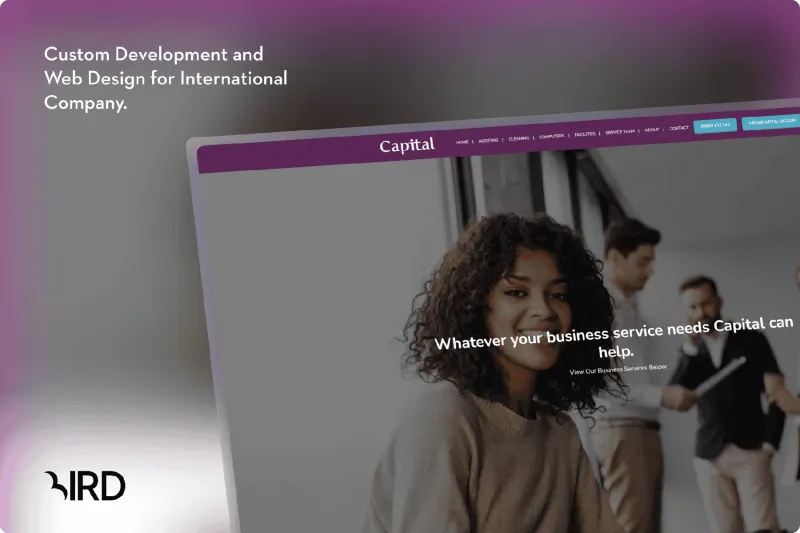
Capital

Custom Development and Web Design for International Company.

The published project explicitly combines WordPress with a bespoke customer portal.

Published project examples describe their own scope and period. They are not forecasts for a different business.

Frequently asked questions

Will the site use a page builder?

The editing approach is agreed around your team’s needs and the project’s requirements. We explain the proposed theme, components and dependencies. The aim is a maintainable publishing system with enough flexibility for the people using it.

Can we reuse existing WordPress content?

Yes, where it is relevant and accurate. We inventory useful pages and media, identify what needs revision and plan URL handling before migration. Existing content should be reviewed rather than discarded just because the design changes.

Can you add custom functionality?

Custom functions can be included after requirements, data handling and acceptance checks are defined. We distinguish standard platform features from bespoke development so scope and maintenance responsibilities are clear.

Will our team receive WordPress training?

Handover and training can be included for the actual content model and features delivered. We focus on the edits your team will make, approval responsibilities and the changes that require technical support.

Who handles updates and maintenance after launch?

Responsibility for hosting, backups, plugin updates and support should be agreed before handover. Ongoing maintenance is a separate scope unless the proposal includes it. The website should have a clear owner and recovery route.

How do you keep a WordPress design fast?

We review the theme, media, plugin requirements and page implementation, then test the resulting pages. A lightweight starting point helps, but third-party tags and later publishing changes can also affect performance.

Define the next step

Discuss your project.

Share your website, the problem you want to solve and any constraints. We’ll discuss the fit, the evidence needed and a scope before work begins.