
Digital Marketing for Construction / London & Essex

Digital Marketing for Construction

Help the right customers understand your work, your coverage and the project you can deliver.

London & EssexScope agreed around your businessEvidence before assumptions
Our approach

Construction projects, services and tender enquiries

Construction customers need to understand whether a company handles their type of project, works in their area and has relevant experience. A project gallery is more useful when it explains the brief, constraints and scope instead of showing images without context.

We connect those examples with service explanations and a practical enquiry route. A domestic renovation, commercial fit-out and specialist supply enquiry may need different questions. The form should help the team qualify a project without demanding a complete specification before the first conversation.

Build content around your construction services

Service coverage, capacity and project permissions need input from the business. We do not invent local offices or claim experience in a construction discipline merely because a keyword exists. Search pages should explain a genuine offer and link to evidence that supports it.

Discuss your target markets

Bird works from London and Essex with businesses serving nearby customers, the wider UK and international markets. We agree which of those audiences matters to this brief before recommending pages or campaigns. Contact the team to confirm meeting arrangements and bring the website, business priorities and any relevant constraints to the discussion.
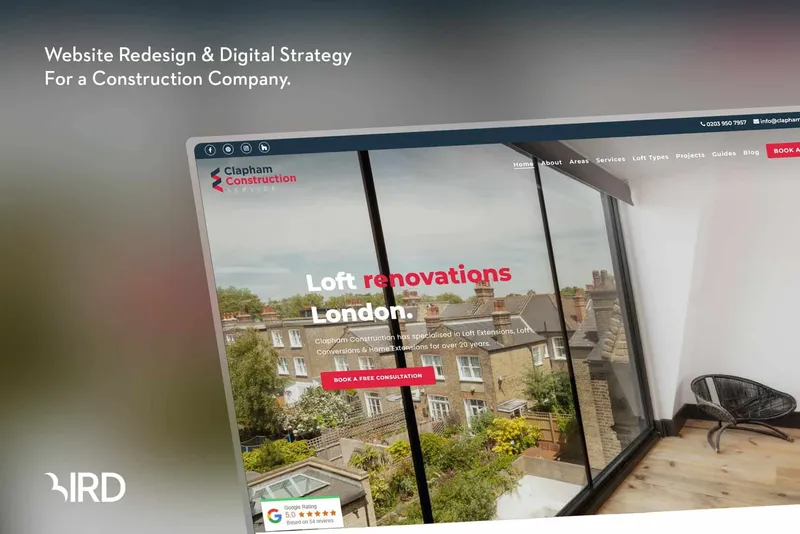

Relevant work / In context

Relevant case studies

02 / Selected work

Matter Designs

Website Design, Hosting and SEO for a Kitchen and Bathroom Designer.

A project-led showroom business, with a distinct browse-to-enquiry journey.

Published project examples describe their own scope and period. They are not forecasts for a different business.

Service details

Information for a useful project enquiry

QuestionWhy it matters
What type of work is needed?Routes the enquiry to the relevant service or specialist.
Where is the project?Checks actual coverage and practical delivery constraints.
What stage has it reached?Distinguishes initial exploration from an approved or ready-to-start brief.
What are the main constraints?Gives the team context about timescale, access and the information already available.

Frequently asked questions

How do you market different construction services?

We organise content around the work the business actually delivers and the types of enquiry it wants. Relevant projects, capability and service coverage help a prospective client assess fit. Tender and direct enquiry journeys may need different information.

Do you need project photographs and case studies?

Verified project material is useful because it can explain scope, constraints and delivery in concrete terms. We agree permissions and factual approval with your team. Stock imagery should not be presented as evidence of completed work.

Can you support commercial tender enquiries?

We can plan relevant capability information and a clear enquiry route. Your team remains responsible for technical specifications, qualifications and tender submissions. The website scope should distinguish marketing from a tender-management system.

Which channels belong in an industry marketing plan?

We choose channels around the audience, demand and commercial objective. Search, paid advertising and website work may play different roles. The proposal explains the evidence and responsibilities behind the recommended mix.

How do you measure the quality of enquiries?

We agree the information that helps your sales team assess a relevant opportunity and use that feedback in reporting where available. Form submissions, qualified discussions and completed sales are different stages.

What do you need to prepare a proposal?

Share the website, actual services, target customers and examples of suitable enquiries. Verified project evidence and information about sales follow-up help define the work. We then agree scope, content responsibilities and measurement.

Define the next step

Discuss your customer journey.

Share your website, the problem you want to solve and any constraints. We’ll discuss the fit, the evidence needed and a scope before work begins.