
Digital Marketing for Logistics / London & Essex

Digital Marketing for Logistics

Help shippers identify the right service and supply the information needed for a useful quote.

London & EssexScope agreed around your businessEvidence before assumptions
Relevant work / In context

Relevant case studies

01 / Selected work

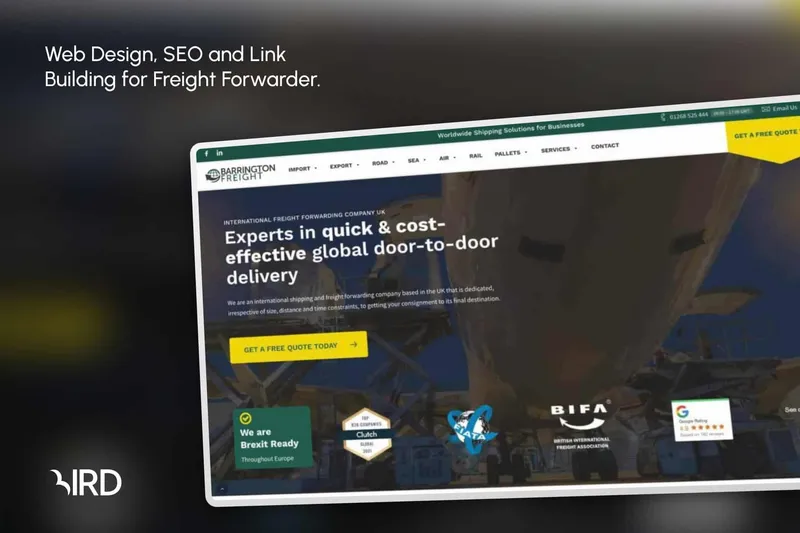
Barrington Freight

Website Design, SEO and Link Building for an International Freight Forwarder.

A directly relevant freight project: consolidated content, service navigation, a rebuild and search performance reporting.

Published project examples describe their own scope and period. They are not forecasts for a different business.

Our approach

Logistics services and quote journeys

A logistics customer may arrive knowing the route, cargo or transport mode, but not the service name your team uses internally. Useful navigation connects those starting points and explains which combinations need specialist review.

We distinguish a genuine service or route requirement from an opportunity to generate many near-identical pages. Content should answer operational questions and describe actual coverage, with ownership for changing information.

Qualify freight and logistics enquiries

The team needs enough shipment context to respond appropriately. Required fields should reflect the business’s process and avoid pretending a website can instantly quote every exception. Dangerous, restricted or unusual cargo needs the business’s approved handling route.

Search and conversion measurement can then focus on suitable quote requests, rather than assume every route-page visit has equal value.

Discuss your target markets

Bird works from London and Essex with businesses serving nearby customers, the wider UK and international markets. We agree which of those audiences matters to this brief before recommending pages or campaigns. Contact the team to confirm meeting arrangements and bring the website, business priorities and any relevant constraints to the discussion.

Service details

A shipment enquiry checklist

InformationPurpose
Origin and destinationEstablishes the route and whether it is served.
Cargo and quantityHelps the team identify the appropriate service and handling questions.
Timing and transport needsProvides context for availability and service selection.
Special requirementsFlags where an authorised specialist must review the shipment.
Contact and next stepLets the team ask for missing information through an agreed route.

Frequently asked questions

How do you structure a freight or logistics website?

We review the shipment decisions customers need to make: service type, route, cargo and practical constraints. Pages should describe the actual operating offer. Useful internal links help a customer reach the appropriate quote or service information.

What information should a logistics quote form request?

It depends on the service, but origin, destination, cargo details and timescale can help qualify an enquiry. We agree what your sales team needs and keep unnecessary fields out of the first step. Sensitive shipment information may need a separate handling process.

Can a logistics campaign target international customers?

Yes, when it reflects the routes and services the business provides. We distinguish market demand and language requirements from the mere presence of a country name. Your operations team verifies coverage and service claims.

Which channels belong in an industry marketing plan?

We choose channels around the audience, demand and commercial objective. Search, paid advertising and website work may play different roles. The proposal explains the evidence and responsibilities behind the recommended mix.

How do you measure the quality of enquiries?

We agree the information that helps your sales team assess a relevant opportunity and use that feedback in reporting where available. Form submissions, qualified discussions and completed sales are different stages.

What do you need to prepare a proposal?

Share the website, actual services, target customers and examples of suitable enquiries. Verified project evidence and information about sales follow-up help define the work. We then agree scope, content responsibilities and measurement.

Define the next step

Discuss your customer journey.

Share your website, the problem you want to solve and any constraints. We’ll discuss the fit, the evidence needed and a scope before work begins.